
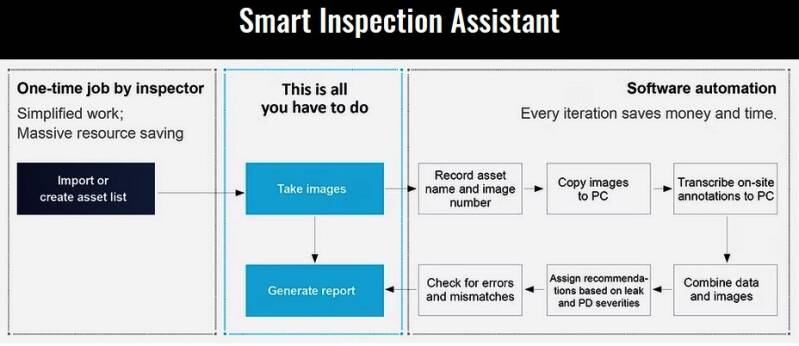
SMART INSPECTION ASSISTANT
ULTRATEH specializes in cutting-edge thermal and acoustic imaging technologies designed to enhance predictive maintenance, safety inspections, and energy efficiency across various industries.

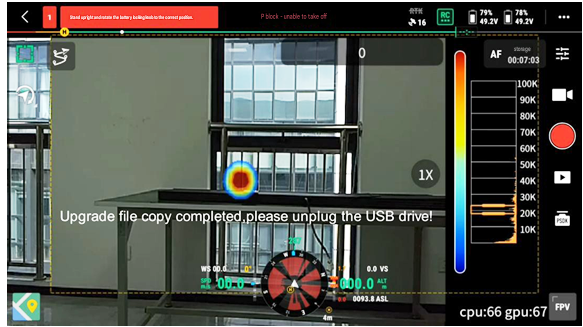
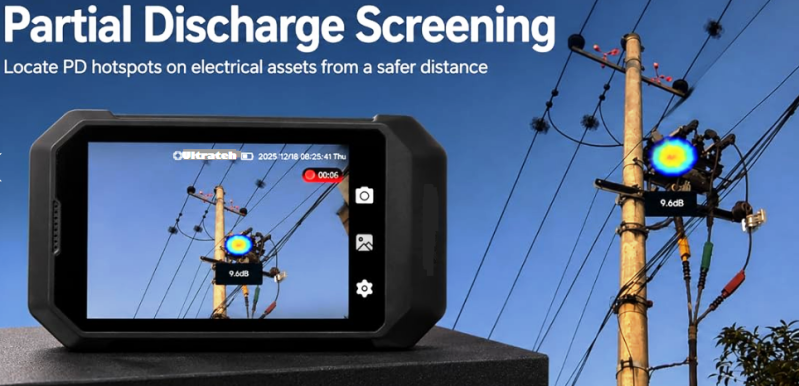
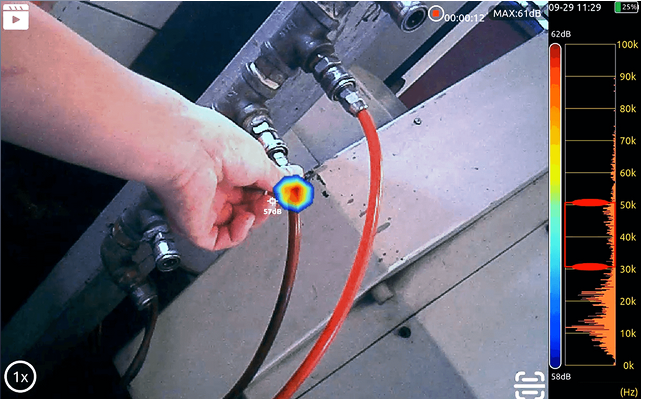
What is Ultrasound ?
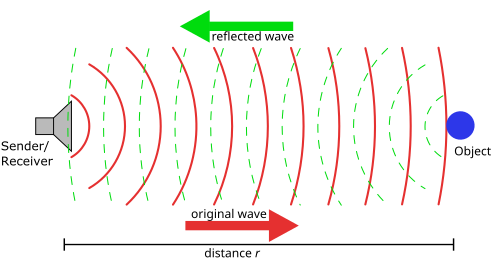
Ultrasound is sound with frequencies greater than 20 kilohertz. This frequency is the approximate upper audible limit of human hearing in healthy young adults. The physical principles of acoustic waves apply to any frequency range,
These sound waves are beyond human hearing and can only be detected with ultrasound technology.
Ultrasound is used in many different fields. Ultrasonic devices are used to detect objects and measure distances. Ultrasound imaging or sonography is often used in medicine. In the nondestructive testing of products and structures, ultrasound is used to detect invisible flaws.
Industrially ultrasound is used for cleaning, mixing, and accelerating chemical processes , in our case we are using for detecting earliest signs of failures of industrial equipment.
How does the UltraTeh tehnology works ?
UltraTeh use ultrasound technology to listen for the earliest symptoms of asset failure. Testing instruments sense frequencies 1kHz - 100 kHz and display them on a display panel for the inspectors to read. Deviations from the baseline indicate a need for corrective action, giving you time to stop the problem before you experience catastrophic failure or unplanned downtime. Ultrasound is much safer for inspectors because they can identify electrical anomalies such as arcing, tracking and corona just by scanning the door seams and air vents. Now inspectors can detect the presence of arcing, tracking or corona, air leaking, gas leaking without risking their personal safety.
Ultrasound measures friction, impact and turbulence. These three basic principles can be applied to various types of equipment, from determining conditional lubrication to performing electrical and mechanical inspections.
When industrial components begin to fail, ultrasound technology helps you detect any changes in their sonic signature so you know about bearing failures before it’s too late. Ultrasound technology also helps with condition-based lubrication programs, ensuring that parts receive only as much grease as needed
UltraTeh equipment can also perform ultrasound electrical inspections for all voltages !
Ultrasound is much safer for inspectors because they can identify electrical anomalies such as arcing, tracking and corona just by scanning the door seams and air vents. Now inspectors can detect the presence of arcing, tracking or corona without risking their personal safety.

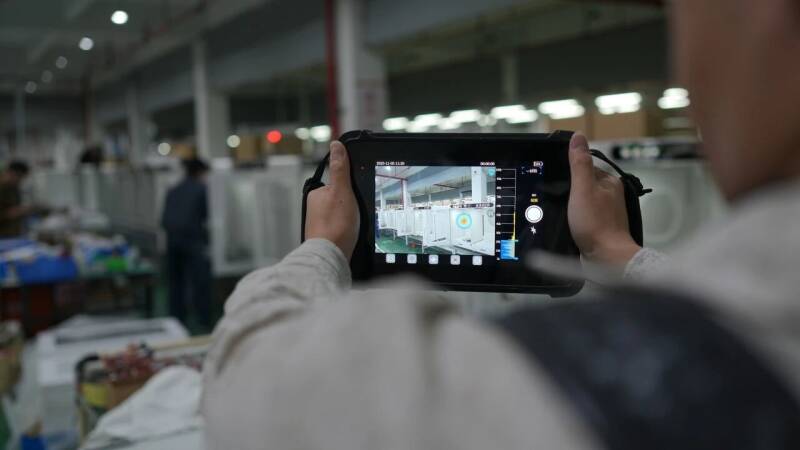
How do acoustic imagers “see” sound?
The secret lies right here—in this “sound spotlight”!
Have you ever seen a photo that can “capture” sound?
In a factory, it instantly zeroes in on leaking pipes; at a substation, it precisely identifies potential hazards of electrical discharge. This remarkable device is called an acoustic imaging system, and its core algorithm is beamforming.
So, what exactly is beamforming?
What is beamforming?
Imagine you’re shouting on a playground, surrounded by echoes and background noise. If you record using just one microphone, all you’ll capture is a chaotic mess. But if you arrange dozens of microphones in a circle and let them “work together”—by adding precise delays to the signal from each microphone and then blending them together—magic happens.
✅ Sounds from the target direction will be enhanced synchronously,
❌ Noise from other directions, on the other hand, cancels each other out.
It’s like fitting sound with a directional spotlight—shine it wherever you want to hear!
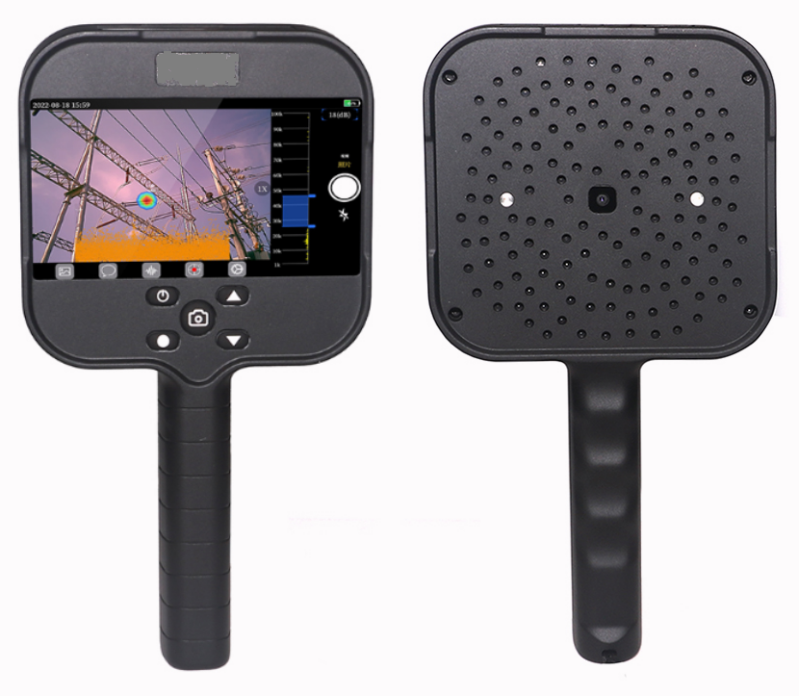
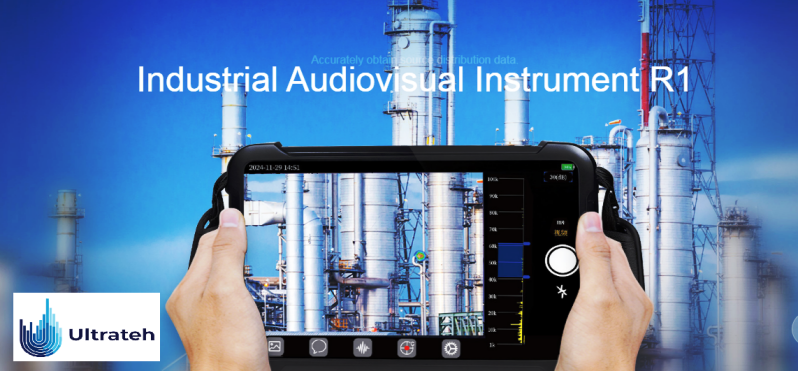
In acoustic imaging, the device scans the entire space and applies beamforming algorithms point by point, allowing you to intuitively see “which screw is whistling” and “which section of pipe is leaking.
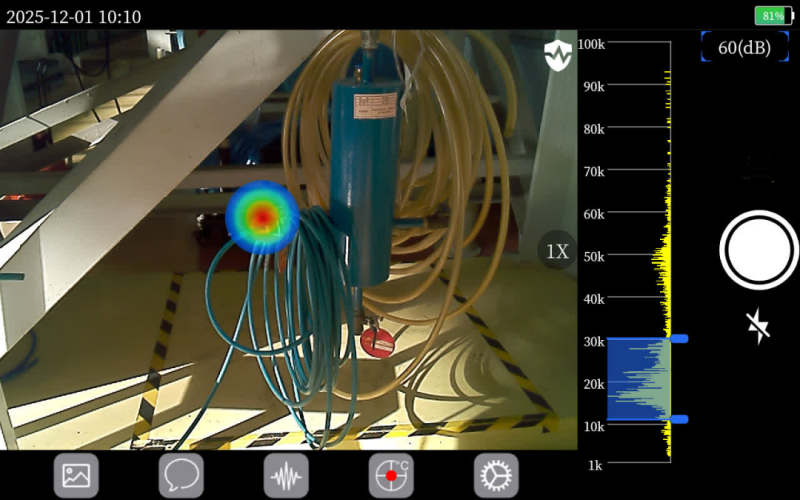
This technology is not only used for industrial leak detection but is also widely applied in power grid inspections—enabling the detection of partial discharges that are inaudible to the human ear.
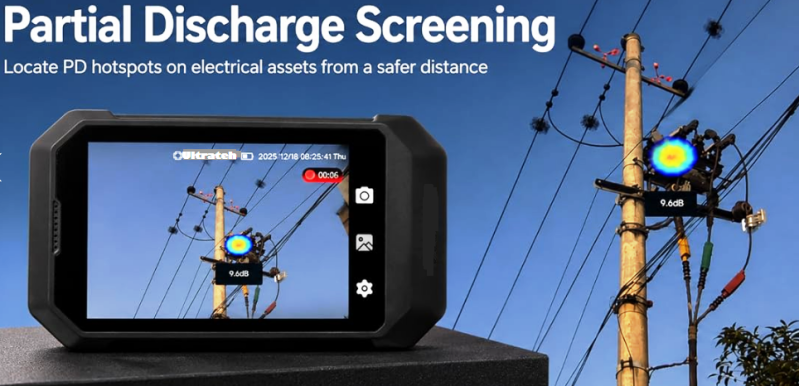
Even cooler still, thanks to algorithm upgrades, today’s acoustic cameras can distinguish between two sound sources just 10 centimeters apart—even from a distance of 10 meters—ten times more precisely than the human ear!
So, the next time you see an engineer holding a “tablet with a microphone array” aimed at a device, don’t assume he’s recording—
He’s actually taking a “photo” of the sound, and the “photographer” behind it is the beamforming algorithm.
Products available now:
SIA 1. Industrial Imaging Device: Ergonomically designed for comfortable two-handed grip, reducing operator fatigue; featuring a non-slip handle and a robust housing to withstand various challenging industrial environments.
SIA 2. Handheld Imaging Device: Weighing only 2 pounds (1.0 kg), it supports single-handed operation, features a portable design, and offers high flexibility, making it ideal for daily inspections and fault troubleshooting.
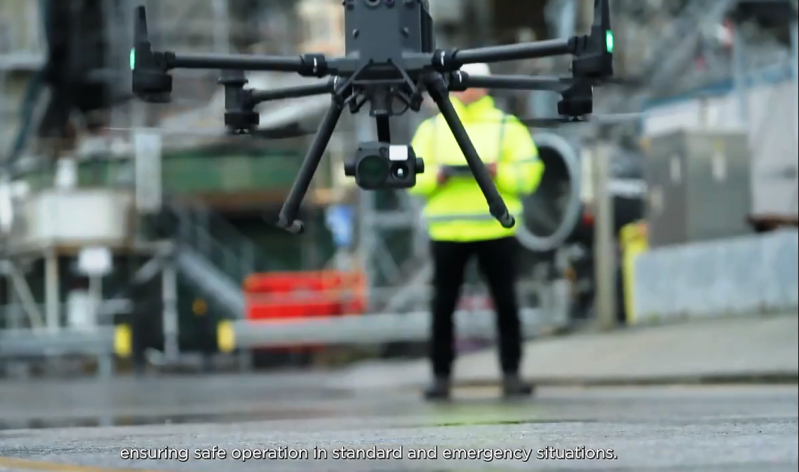
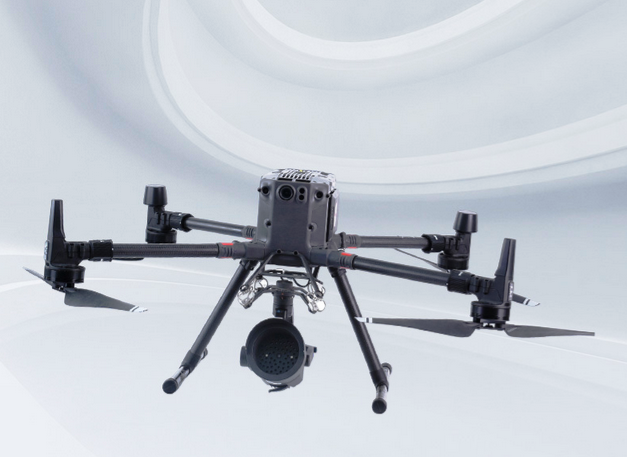
SIA3 Airborne Imaging Sonar (M350): Equipped with patented pod technology, this system is robust and reliable, and enables quick installation, remote control, and collaborative operation in clusters.
DJI 350RTK Drone - compatible with SIA 3 :
DJI Matrice 350 RTK Basic Combo M350 RTK Drone with Thermal Camera Lidar Sensor for Search Rescue and Surveying